
“It’s Now or Never”: How Elvis Turned a Classical Melody Into a Global Pop Phenomenon
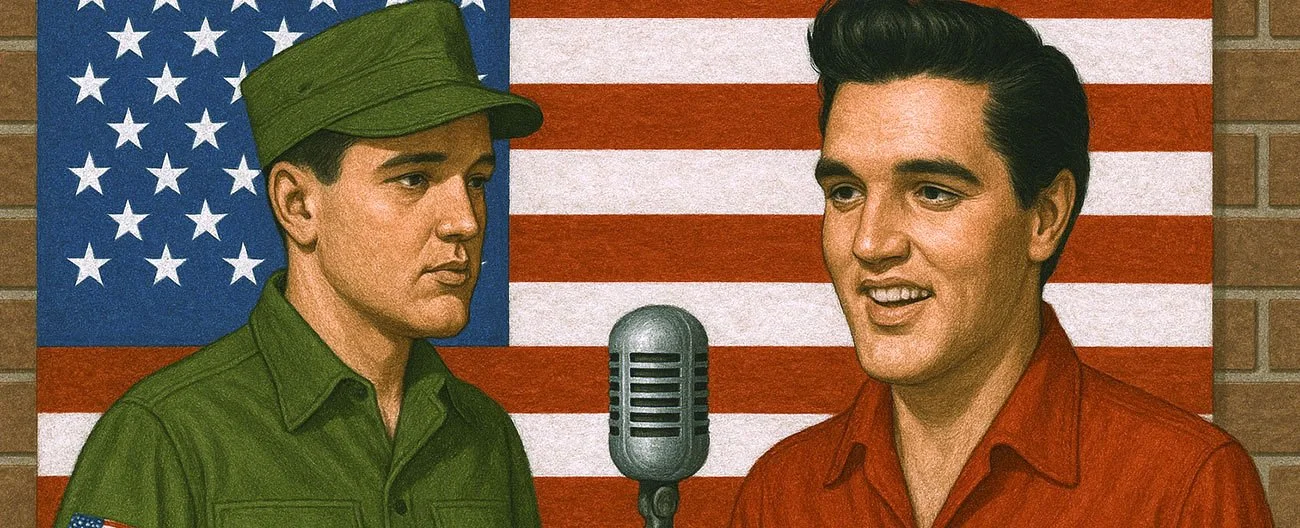
When Elvis Presley released “It’s Now or Never” in the summer of 1960, the musical landscape was changing. Rock & roll had burst into the mainstream across the previous decade, and Presley himself had become the genre’s first true global superstar. Yet this single — a romantic ballad inspired by a Neapolitan classic — would become one of his most commercially successful and culturally enduring songs. More than six decades later, “It’s Now or Never” remains a defining moment in Elvis’s career and a beloved classic around the world.
From Soldier to Superstar: The Context of the Song
Before “It’s Now or Never,” Presley had just completed his military service. Drafted into the U.S. Army in 1958, he spent nearly two years overseas, temporarily stepping away from his recording and touring career. Returning to civilian life in early 1960, Presley was already a megastar — but there was pressure to prove that he could evolve beyond his early rock hits. In this climate, “It’s Now or Never” emerged not just as another single but as a statement of artistic breadth and emotional range.
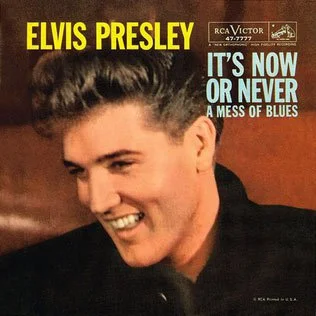
Original RCA Victor single artwork for “It’s Now or Never.”
The song’s melody didn’t originate with Presley. It’s based on the Italian classic “’O Sole Mio,” written in 1898 by Eduardo di Capua, a melody already familiar across Europe and the United States. In the late 1950s, Elvis first heard a version of it while stationed in Germany — specifically the 1949 adaptation “There’s No Tomorrow” by Tony Martin — and became captivated by its dramatic sweep.
He shared the idea with his music publisher, Freddy Bienstock. Bienstock quickly brought in songwriters Aaron Schroeder and Wally Gold, who wrote the English lyrics that would transform the melody into “It’s Now or Never.” According to accounts, the lyrics were completed in about 30 minutes, illustrating how sometimes the most iconic songs can emerge rapidly from creative inspiration.
A Break from Rock & Roll: A New Musical Direction
For many fans, “It’s Now or Never” sounded like a departure. Rather than the guitar-driven rock & roll of “Hound Dog” or “Jailhouse Rock,” this was a romantic ballad with operatic flourishes. Presley’s vocal performance is central to its power: he sings in a higher register than usual, with clarity and a sweeping emotional quality that suggests both yearning and theatricality.
This shift was partly strategic. RCA Victor — Presley’s label — saw an opportunity to broaden his appeal. By positioning him not just as a rock idol but as a pop balladeer capable of sophisticated emotion, they helped introduce Presley to audiences who might otherwise dismiss him as merely a teen sensation. The promotional campaign included full-page ads in music industry trade magazines of the day, emphasizing the song’s romantic potency and radio-friendly charm.
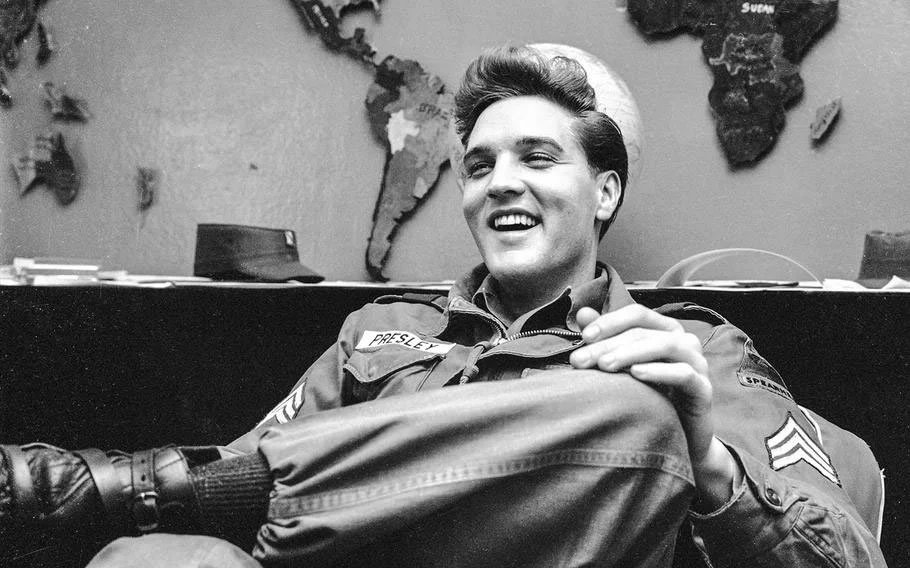
Chart Domination and Sales Success
Upon release on July 5, 1960, “It’s Now or Never” soared straight into the musical stratosphere. In the United States, it reached No. 1 on the Billboard Hot 100, where it remained for five consecutive weeks — a testament to its broad popularity.
Across the Atlantic, it proved equally irresistible. The single spent eight weeks at No. 1 in the United Kingdom in 1960, and when reissued in 2005 it even returned to No. 1 on the UK Singles Chart — a rare achievement for a song more than four decades old.
Globally, the commercial performance of “It’s Now or Never” was staggering. The song is widely cited as one of Elvis’s biggest selling singles of all time, with estimates often placing worldwide sales at more than 20 million copies — a remarkable figure for a single released in the pre-digital era.
While precise documentation is complex due to the varied tracking systems of the time, many historians and music references agree on its status as one of the best-selling records of the 20th century. In the UK alone, it was Presley’s only single to sell over one million copies at the time, making it the best-selling single for him in that market.
Why Did It Resonate So Deeply?
Several factors contributed to the song’s extraordinary popularity:
1. Emotional Universality
The lyrics — expressing urgency, love, and the fleeting nature of opportunity — tapped into universal themes. They were simple, evocative, and perfect for radio play and jukeboxes alike in the early 1960s.
2. Operatic Melody Meets Pop Sensibility
By adapting “’O Sole Mio,” the song combined the timeless sweep of a classical melody with contemporary pop balladry. This fusion allowed it to transcend typical genre categories — appealing to both older listeners familiar with European music and younger fans.
3. Presley’s Vocal Performance
This was not just a love song; it was a showcase for Presley’s vocal range and control. The climactic high note in the final chorus remains one of the most memorable moments in his catalog, and his delivery imbues the track with passion and dramatic tension.
4. Timing and Narrative
Elvis’s return from military service was a major cultural moment. Fans had missed him, and a song that spoke of urgency and seizing the moment fit perfectly with the narrative of his comeback.
Legacy and Modern Relevance
Unlike many hits that fade from cultural memory, “It’s Now or Never” remains widely recognized today. It’s regularly featured on playlists of classic hits across streaming platforms and continues to be included in greatest-hits compilations. According to recent data from music streaming services, the song has amassed tens of millions of streams, confirming its ongoing popularity with new generations of listeners.
The single also played a role in keeping Presley relevant in the digital age. Its 2005 UK reissue return to the top of the charts demonstrated that even decades after its original debut, there was still substantial demand for the song — a rare feat in the music industry and a testament to its timeless appeal. Wikipedia
Beyond charts and sales, “It’s Now or Never” has influenced artists across genres. Its fusion of dramatic melody and pop risk-taking paved the way for other singers to explore cross-genre balladry. Notably, later interpretations and live renditions by artists ranging from Josh Groban to country performers like John Schneider testify to the song’s adaptability and enduring relevance.
Cultural Impact
The song’s impact extends beyond numbers and charts:
Inspiration for Other Musicians: Legendary singer Barry White once credited “It’s Now or Never” as an influence that helped shape his own musical ambitions.
Film and TV: It has appeared in commercials and soundtracks, reinforcing its presence in popular culture well beyond the 1960s.
Academic Interest: Music scholars frequently cite the song when exploring how American pop music assimilated and transformed international melodies in the mid-20th century.
It Was a Classic That Defined a Career
“It’s Now or Never” stands as more than just a hit single. In many respects, it encapsulates the breadth of Elvis Presley’s appeal — from rock & roll rebel to romantic balladeer capable of breathtaking vocal performance. Its commercial success, with over 20 million copies sold worldwide, confirms its historical impact.
Today, more than sixty years after its release, the song remains a staple of classic music playlists, a testament to both Presley’s enduring legacy and the universal emotions captured in its melody and lyrics. In the annals of popular music, “It’s Now or Never” is not just one of Elvis’s biggest hits — it’s one of the great bridges between generations of listeners, proving that some songs truly are timeless.
